Best Koi Food for Growth: Protein, Ash & What Matters
If you want bigger koi, protein is the lever — the raw material the fish turns into muscle and body mass. But growth is a system: the right protein level, in the right temperature window, balanced against your water quality.
How much protein?
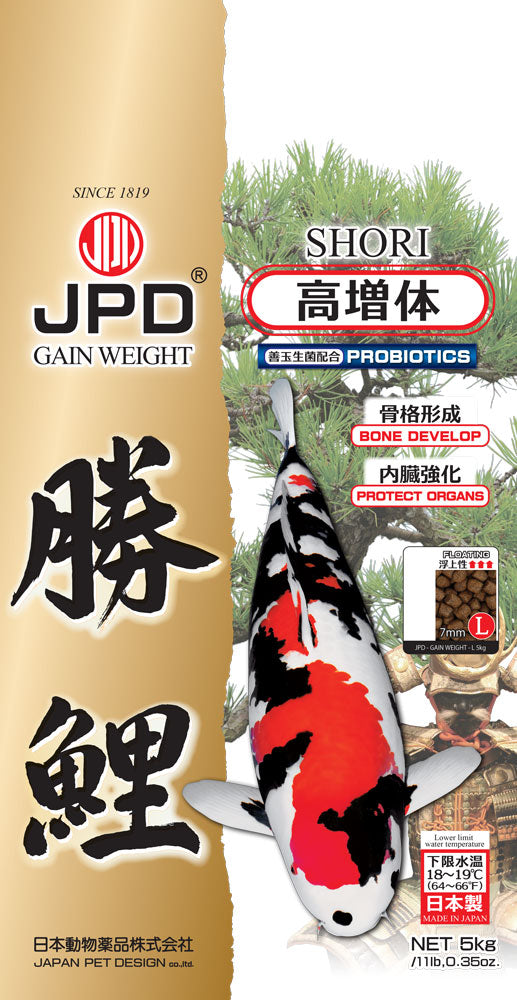
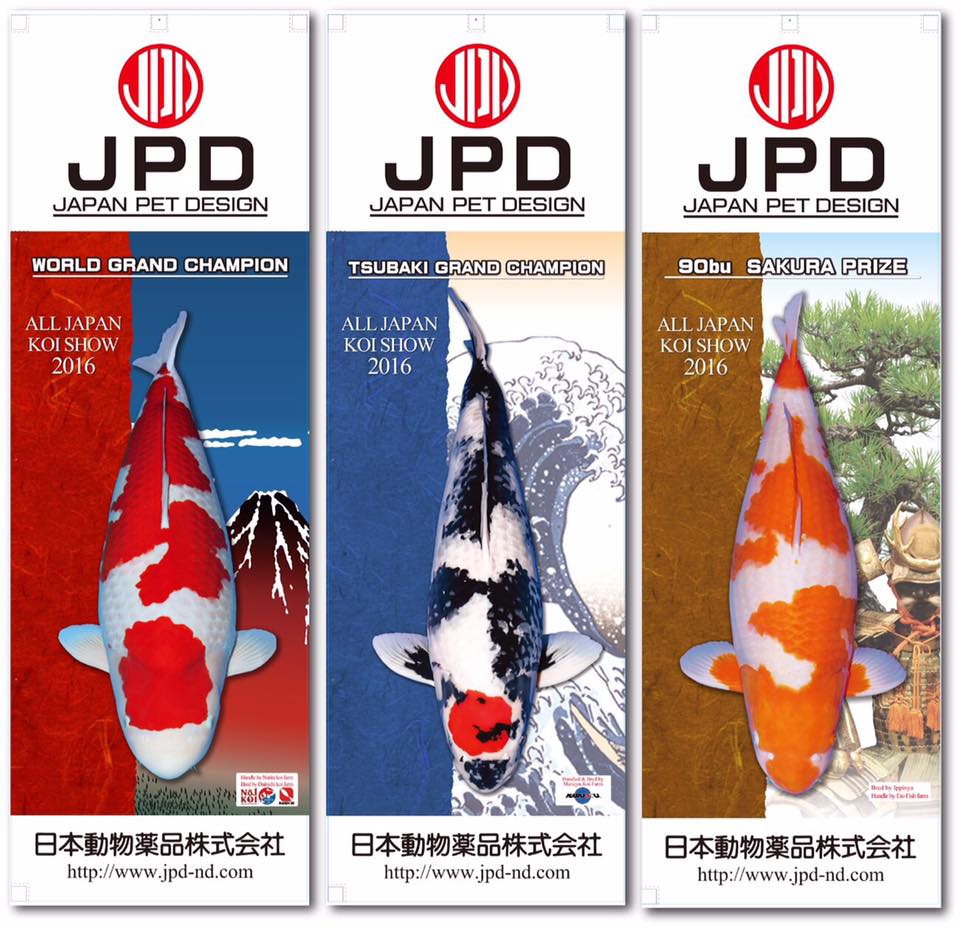
Studies on common carp put the optimum dietary protein for steady growth in the mid-30s percent — for example, ~34–35% for juvenile Yellow River carp. For active growth in young fish and warm water, breeders push to 40–45%, the range of dedicated growth foods like JPD Shori (45%) and Nijikawa Growth (45%).
Protein need rises with temperature: in grass carp, the optimum protein requirement was higher at 28°C than at 23°C. That's the science behind feeding higher protein in summer and easing off as water cools.
Young koi grow fastest and need more protein. A growth program pays off most in a koi's first few years.
Why ash matters
Protein only helps if the fish can absorb it. Ash — the mineral residue left after digestion — should be low: a 45%-protein food built from premium fish meal can carry as little as ~8.5% ash, meaning more is digested and less becomes waste. Look for high protein and low ash together. Quality foods also balance their amino acids rather than just stacking crude protein.
How to feed for growth — safely
- Concentrate growth feeding at 68–77°F, 2–4 small meals a day.
- Upgrade filtration first — more food means more waste.
- Watch oxygen in hot weather.
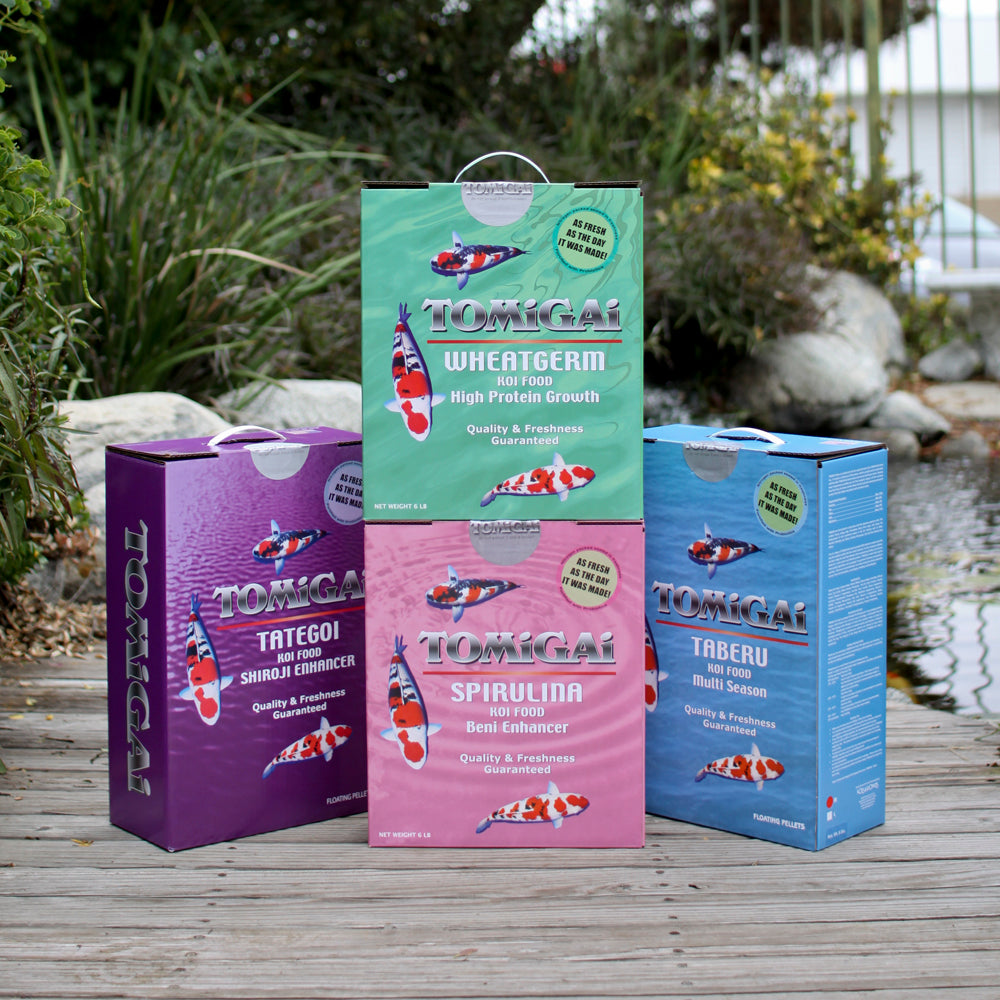
- Taper to a staple, then wheat germ, as autumn cools.
Pair it with color feeding, and always feed to your water temperature.